

Complete guide to the top 10 ghats to visit in Varanasi 2026. Dashashwamedh, Manikarnika, Assi, Harishchandra & more — every ghat, honest guide, from ₹200/person. WhatsApp now!
If you’ve been searching for the most complete guide to the top 10 ghats to visit in Varanasi, this is the most honest, most practically useful resource available in 2026. A boat ride in Varanasi isn’t just sightseeing — it’s an immersive cultural experience that reveals the city’s soul. From the water, you’ll witness life unfolding along the ghats, where centuries-old rituals continue unchanged.
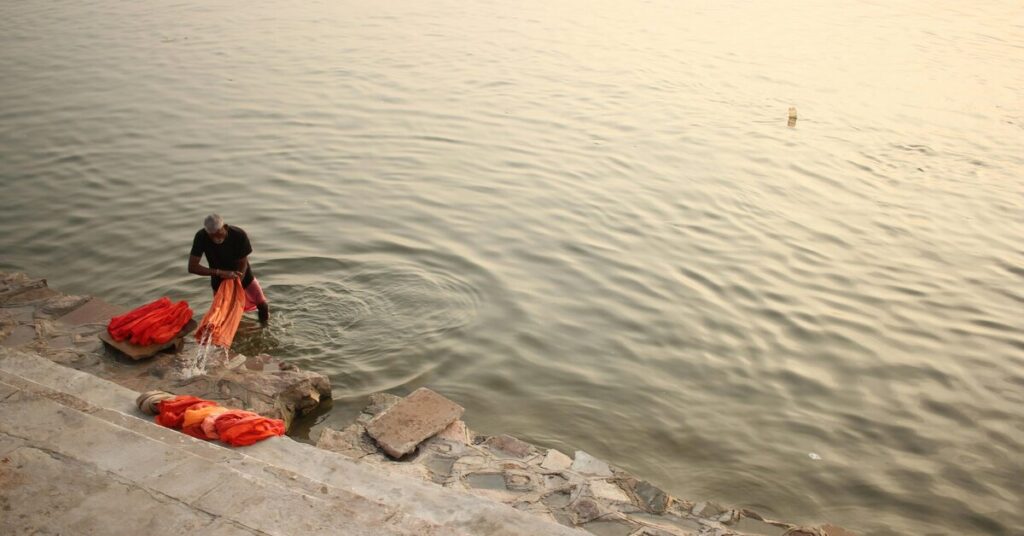
The stunning panorama of temples, palaces, and ancient architecture creates breathtaking photo opportunities unavailable from land. Varanasi has 84 ghats along the western bank of the Ganges — each with its own distinct sacred history, ritual tradition, and architectural character. Every single ghat is free to visit. TripCosmos, based in Varanasi, covers all 84 ghats on the complete ghat-to-ghat boat circuit — and these 10 are the ones no visitor should miss.
Quick Price Summary — Ghat Tour Varanasi 2026
Visiting any ghat on foot: completely free. Shared sunrise boat (all major ghats): ₹200–₀400 per person. Private boat ghat circuit (2–4 people, 60–90 mins): ₹800–₀1,500 total. Complete ghat-to-ghat full circuit (2–4 hours): ₹1,500–₀3,000 per boat. **Comprehensive ghat-to-ghat tours extend 2–4 hours, methodically traversing the entire sacred riverfront while boatmen or guides provide detailed commentary about each ghat’s history, associated legends, architectural features, and current uses. Shared full day including all ghats + temples + Aarti: ₹1,399 per person.
1. Dashashwamedh Ghat — The Most Famous
Dashashwamedh Ghat, Varanasi’s most famous, derives its name from ancient mythology claiming Lord Brahma performed ten horse sacrifices here. The evening Ganga Aarti ceremony draws thousands nightly, creating spectacular spiritual theatre. The centrepiece of every Varanasi visit — the most photographed, most visited, and most devotionally charged ghat in the entire 84-ghat sequence. Arrive by private boat at 6:15 PM for the finest unobstructed Aarti viewing position available. From the ghat steps: free. Private Aarti boat: ₹1,299–₀2,500 total.
2. Manikarnika Ghat — The Eternal Cremation Ground
Manikarnika Ghat, the primary cremation site, operates continuously — its eternal flames symbolizing the cycle of death and rebirth central to Hindu philosophy. Observing from respectful boat distances provides profound perspectives on mortality and liberation. The most sobering and most philosophically powerful ghat on the entire Varanasi riverfront — the fire that is believed to have burned continuously for centuries, the boat perspective from the river delivering a visual understanding of life and death that no land-based viewpoint can replicate. Never photograph here — approach with complete solemnity and compassion.
3. Assi Ghat — The Most Atmospheric Southern Ghat
Assi Ghat, where the Assi River meets the Ganges, hosts morning yoga sessions, evening Aarti ceremonies, and serves as the starting point for many boat tours. Immerse yourself in the serene vibes of this lesser-known ghat. Southern Ghats (Assi to Kedar) represent relatively quieter, more residential sections popular with long-term visitors and spiritual seekers. The Assi Ghat morning Aarti is more intimate, less crowded, and equally moving for pilgrims who want a genuinely local sacred experience rather than the tourist-heavy atmosphere of Dashashwamedh.
4. Man Mandir Ghat — The Astronomical Observatory Ghat
Man Mandir Ghat showcases stunning architecture with its distinctive facade and observatory built by Maharaja Man Singh of Jaipur, featuring astronomical instruments. The Jantar Mantar-style observatory built into the ghat palace makes Man Mandir architecturally unique among all 84 ghats — an 18th-century astronomical instrument visible from the river, embedded in one of Varanasi’s finest palace façades.
5. Harishchandra Ghat — The Ancient Cremation Ghat
Harishchandra Ghat claims to be Varanasi’s oldest cremation ground, named after the legendary King Harishchandra who worked here as a cremation ground keeper during his period of extreme testing by the gods. This ghat operates similarly to Manikarnika but handles fewer cremations and sees fewer visitors, making it slightly less overwhelming. For those who want to contemplate the profound philosophical tradition of Varanasi’s cremation ghats without the larger crowds of Manikarnika, Harishchandra offers the same sacred significance in a quieter setting.
6. Darbhanga Ghat — The Palace Architecture Ghat
Darbhanga Ghat and Munshi Ghat display beautiful old palace architecture, some now converted to heritage hotels. The most visually spectacular ghat for architectural photography — the restored Darbhanga Palace rising directly from the Ganges steps creates one of the most dramatic heritage compositions on the entire Varanasi waterfront.
7. Kedar Ghat — The South Indian Temple Ghat
Kedar Ghat’s distinctive South Indian temple architecture — brought by pilgrims from Tamil Nadu and Maharashtra who built a Kedareshwar Temple (a form of Shiva) here centuries ago — makes it visually unique among the predominantly North Indian architectural styles of the 84 ghats. A quieter, more meditative ghat with extraordinarily warm morning light that makes it one of the finest photography stops on any ghat circuit.
8. Tulsi Ghat — The Poet Saint’s Ghat
Named after Goswami Tulsidas, who composed the Ramcharitmanas here — one of the most important literary and devotional works in Hindi literature. The ghat retains a scholarly, contemplative atmosphere quite different from the commercial energy of Dashashwamedh — a genuinely authentic sacred space where serious devotees and literature scholars come to connect with Tulsidas’s spiritual legacy.
9. Panchganga Ghat — The Five Rivers Confluence
Panchganga Ghat, believed to mark the confluence of five sacred rivers — Ganga, Yamuna, Saraswati, Dhutapapa, and Kirana — is one of Varanasi’s most important pilgrimage ghats for bathing ritual. The 17th-century Alamgir Mosque above the ghat, built by Aurangzeb on the ruins of a Vishnu temple, creates the most dramatically layered architectural history of any single ghat location.
10. Raj Ghat — The Northernmost Ghat
The northernmost point of the complete 84-ghat circuit — the end of the complete ghat-to-ghat comprehensive boat tour. Raj Ghat’s road and rail bridge create a distinctive visual frame that marks the end of Varanasi’s sacred riverfront and the beginning of the modern city.
📲 Book Your Varanasi Ghats Tour Today!
👉 Click Here to WhatsApp TripCosmos — +91 93361 16210 — Instant Ghats Tour Confirmation
FAQs: Top 10 Ghats to Visit in Varanasi
Q1. How much does it cost to visit Varanasi ghats?
All ghats are free to visit on foot. Shared sunrise boat covering all major ghats: ₹200–₀400 per person. Private boat ghat circuit (60–90 mins): ₹800–₁,500 total.
Q2. Which is the most famous ghat in Varanasi?
Dashashwamedh Ghat, Varanasi’s most famous, hosts the evening Ganga Aarti ceremony drawing thousands nightly.
Q3. Can I photograph at all Varanasi ghats?
Most ghats welcome photography. Never photograph at Manikarnika or Harishchandra cremation ghats — approach with complete solemnity and compassion, and photograph only with explicit permission.
Q4. What is the best way to see all 84 ghats in Varanasi?
Comprehensive ghat-to-ghat tours extend 2–4 hours, methodically traversing the entire sacred riverfront — ₹1,500–₀3,000 per boat.
Q5. How do I book a Varanasi ghats tour with TripCosmos?
WhatsApp +91 93361 16210 with your date, group size, and preferred format — morning boat, evening Aarti boat, or complete ghat-to-ghat circuit. Confirmed within minutes — Book Now!




Comments are closed.